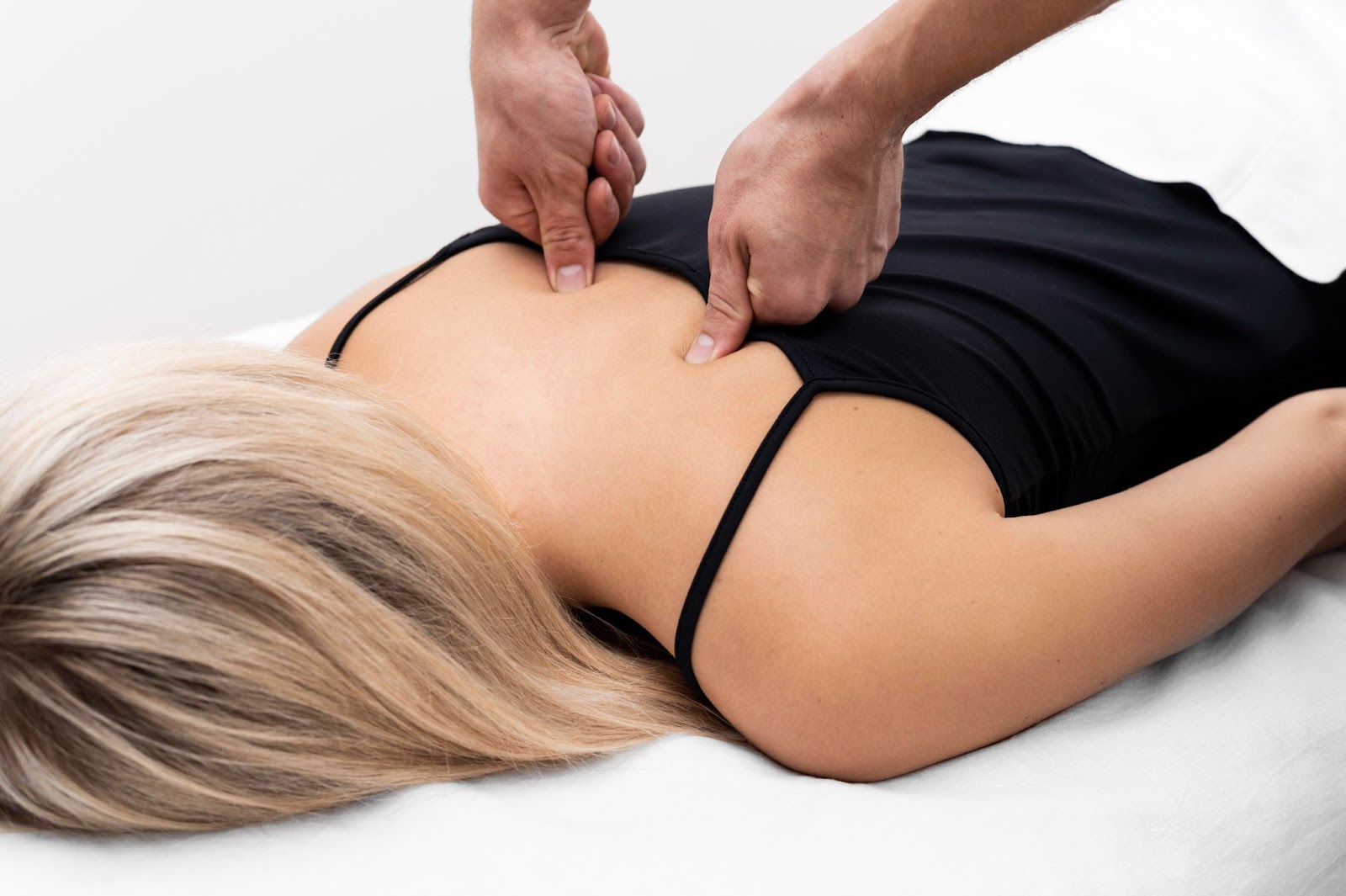
Healthy aging is about staying mobile, independent, and confident through every decade. While genetics, nutrition, sleep, and activity all matter, joint health and spinal function play a central role in how freely you move each day. Chiropractic care focuses on the spine and musculoskeletal system, using hands-on techniques that aim to improve mobility, reduce pain, and support balance. For older adults, these benefits can be the difference between limiting activities and continuing to live the life you enjoy.
Mobility maintenance for everyday independence
As people get older, joints naturally stiffen. Cartilage can thin, muscles can tighten, and daily tasks like reaching a shelf or turning to check a blind spot in the car may feel less fluid. Chiropractic adjustments and gentle mobilization help joints move through a fuller range. When motion improves, simple tasks feel easier and safer. Flexibility and mobility also make it more comfortable to participate in healthy activities, such as walking with friends or gardening, which then reinforces overall fitness.

Balance support and fall risk reduction
Falls are a major concern in later life. The U.S. Centers for Disease Control and Prevention reports that more than one in four adults 65 and older fall each year, and falls are the leading cause of injury in this age group. Falling once doubles the chance of falling again. These injuries send millions to emergency departments annually and can seriously impact independence.
Balance depends on clear communication among the eyes, inner ear, muscles, and joints. The World Health Organization recommends multicomponent physical activity for older adults that includes functional balance and muscle strengthening at least three days per week. Better joint motion, stronger muscles, and improved body awareness all contribute to steadier movement. Chiropractors often combine spinal and extremity joint care with exercise guidance that complements these public health recommendations.
Non-drug options for back and neck pain
Back pain can limit walking distance, disrupt sleep, and make daily chores more demanding. The American College of Physicians guideline advises patients with acute or subacute low back pain to start with non-drug therapies, which include spinal manipulation, massage, heat, and other conservative options. For persistent back pain, spinal manipulation can provide similar benefits to other commonly used interventions for pain and function. These recommendations matter because many older adults want relief without increasing medication side effects. American College of Physicians+2PubMed+2
Chiropractic care is one of several evidence-based, noninvasive strategies. The approach is tailored to the individual, often using lower-force techniques for older adults or for those with osteoporosis risk. When appropriate, care may be paired with mobility drills, gentle stretching, and posture strategies to maintain improvements between visits.
Posture, stiffness, and daily comfort
Years of sitting, prior injuries, or repetitive tasks can encourage a rounded upper back or a forward head position. Postural strain can lead to stiffness in the neck and shoulders or tension headaches. Chiropractic adjustments target restricted segments of the spine and ribs, while soft tissue work and exercise recommendations help lengthen tight areas and strengthen those that underperform. The goal is not perfect posture. The goal is a posture that supports breathing, vision, and comfortable movement.
Joint health beyond the spine
Older adults often notice aches in the hips, knees, shoulders, and hands. Chiropractors, like the team at Active Health & Wellness, can assess and treat many of these regions as part of full-body care. For example, hip stiffness can alter the way you walk, which then increases stress on the lower back. Gentle joint mobilization, targeted exercise, and movement coaching help restore smoother patterns. Coordinating care with your primary physician and physical therapist is common, especially for complex arthritis or after joint replacement.
Nervous system function and movement quality
The nervous system coordinates every step, reach, and turn. Joint restrictions and soft tissue tightness can change the quality of sensory feedback returning to the brain, which influences coordination. Restoring motion with hands-on care may improve proprioceptive input, while progressive balance drills help the brain integrate that information into steadier movement. The National Institute on Aging emphasizes that learning about balance problems and preventing falls helps older adults stay independent and carry out daily activities. National Institute on Aging
How often should older adults get care?
Frequency depends on goals, medical history, and how your body responds. Some people start with a short episode of care to address a specific problem, then taper to occasional visits for flare-ups. Others prefer periodic tune-ups to help manage chronic stiffness and maintain gains in mobility and balance. The plan should always be individualized and adjusted based on progress.

Safety considerations and smart screening
Safety comes first. A thorough health history and exam are essential. Clinicians consider bone density, fracture risk, cardiovascular history, medications that affect clotting, and neurologic signs. High-velocity techniques may be modified or replaced with lower-force methods for people with osteoporosis or frailty. When red flags appear, chiropractors refer promptly for imaging or medical evaluation. This team-based approach helps ensure the right care at the right time.
Active aging works best with daily habits
Hands-on care is only part of the picture. Health agencies recommend regular movement, strength training, and balance work for older adults. The CDC suggests at least 150 minutes of moderate aerobic activity per week, strength work on two or more days, and balance activities woven into the week. Your chiropractor can help you choose joint-friendly options that match your fitness level, such as brisk walking, aquatic exercise, or resistance bands. CDC
Simple habits support joint and bone health. Stand up and change position frequently, especially during reading or screen time. Use supportive footwear for longer walks. Keep a short daily mobility routine that includes gentle neck, shoulder, hip, and ankle motions. Small steps, repeated consistently, pay off.
Fall-proofing your day
Because falls carry serious consequences, it is wise to reduce risks at home and in the community. Clear clutter from hallways, improve lighting, add grab bars where needed, and review medications with your healthcare team to identify those that may increase dizziness. These practical steps complement balance training and joint care. Public health data show falls are common, but prevention works and can save independence and cost. CDC
What a typical visit can include
A first visit often begins with a conversation about your goals, followed by a focused exam of the spine and relevant joints. Your provider will explain findings, outline options, and answer questions. Care may include gentle adjustments, soft tissue techniques, stretching, or assisted range of motion. You will likely leave with a simple home plan that matches your abilities, such as ankle pumps for circulation, seated spinal rotations, or short balance drills near a counter for support.
Setting realistic expectations
Improvement builds over time. Some people feel lighter or move more freely after the first visit. Others notice a gradual change across several sessions as tight tissues adapt and movement patterns improve. Chronic conditions like osteoarthritis do not disappear, but better joint mechanics and stronger support muscles can reduce day-to-day pain and increase what you can do comfortably. Evidence suggests spinal manipulation can help pain and function in back pain as part of a broader plan that includes activity and self-care. BMJ
Working with your healthcare team
Healthy aging is a team effort. Chiropractors often coordinate with primary care, physical therapy, and other specialists. If you have diabetes, cardiovascular disease, or osteoporosis, your care plan should reflect those conditions. Clear communication keeps everyone aligned and helps you progress safely.

Practical checklist to support graceful aging
- Keep moving most days of the week. Mix light cardio, strength, and balance work. PMC+1
- Use a short daily mobility routine for the neck, thoracic spine, hips, and ankles.
- Review home safety. Improve lighting, reduce trip hazards, and consider grab bars. CDC
- Talk with your healthcare team about medications that may affect balance. National Institute on Aging
- Hydrate well and prioritize protein to support muscle health.
- Schedule conservative care early if pain limits activity, so you can stay consistent with movement.
Sources and evidence to explore
- CDC. Facts About Falls and Older Adult Fall Prevention. CDC+1
- CDC. Physical Activity Basics for Older Adults. CDC
- National Institute on Aging. Older Adults and Balance Problems. National Institute on Aging
- WHO. Physical activity and sedentary behaviour guidelines for older adults. PMC+1
- American College of Physicians. Guideline on noninvasive treatments for low back pain. American College of Physicians+1
- BMJ. Benefits and harms of spinal manipulative therapy for chronic low back pain. BMJ