
Pregnancy and early motherhood bring meaningful changes, but they can also place new demands on the body. As a baby grows, changes in weight distribution, posture, joint mobility, and everyday movement may contribute to discomfort in the lower back, hips, pelvis, shoulders, and neck.
After delivery, the body continues to recover while a mother adjusts to feeding positions, interrupted sleep, lifting a baby, carrying an infant seat, and completing repetitive childcare tasks. These activities may place additional strain on muscles and joints that are already adapting after pregnancy and childbirth.
Chiropractic care may be one part of a coordinated wellness plan for pregnant and postpartum mothers experiencing musculoskeletal discomfort. It should complement, not replace, regular care from an OB-GYN, midwife, primary care provider, pelvic health professional, or another qualified medical provider.
Pregnancy Back Pain and Posture Changes
As pregnancy progresses, the growing abdomen can shift the body’s center of gravity. Many expectant mothers respond by changing how they stand, walk, sit, sleep, or lift objects. Muscles in the lower back and hips may work harder to support these changes.
Pregnancy-related discomfort can feel different for each person. Some mothers experience a dull ache across the lower back. Others notice discomfort near the hips, buttocks, sacroiliac joints, or pelvis. Symptoms may become more noticeable after prolonged standing, sitting at a desk, climbing stairs, rolling over in bed, or carrying another child.
ACOG recommends paying attention to body position when sitting, sleeping, standing, and lifting. Supportive shoes and clothing, appropriate lifting habits, and heat or cold may also help ease sore muscles.
Persistent pain should not automatically be dismissed as a normal part of pregnancy. An examination can help determine whether the discomfort appears to involve muscles and joints or whether further medical evaluation may be necessary.
Prenatal Chiropractic Care
Prenatal chiropractic care focuses on the muscles and joints involved in posture, mobility, and everyday movement. During an initial visit, a chiropractor may review the patient’s health history, stage of pregnancy, symptoms, medical restrictions, and activities that make the discomfort better or worse.
The chiropractor may also evaluate posture, spinal and pelvic mobility, muscle tension, balance, and movement patterns. Treatment should be adjusted according to the stage of pregnancy and the patient’s comfort. Positioning can be modified so the expectant mother does not have to remain in an uncomfortable position.
NCCIH explains that reports of serious adverse events from spinal manipulation during pregnancy are very rare, but rigorous pregnancy-specific research remains limited. NCCIH recommends that pregnant patients discuss the potential risks and benefits of spinal manipulation with their healthcare providers.
This conversation is particularly important for anyone with a high-risk pregnancy, vaginal bleeding, placenta complications, preeclampsia, severe abdominal pain, premature labor concerns, or other medical complications.
Gentle Chiropractic Adjustments During Pregnancy
There is no single chiropractic technique or treatment plan that is appropriate for every pregnant patient. Care should begin with a careful health history and examination.
Depending on the findings, a customized treatment plan may include gentle chiropractic techniques, mobility exercises, therapeutic stretching, or movements intended to support strength and joint stability. The amount of pressure, patient positioning, and areas being treated should be adjusted to the patient’s needs and stage of pregnancy.
Active Health and Wellness Center provides customized chiropractic care and exercise rehabilitation based on each patient’s goals and physical challenges. Its official website also lists therapeutic stretching, joint stabilization, and custom treatment for pregnancy among its available services.
The goal of prenatal chiropractic care should be realistic and clearly explained. Chiropractic treatment does not provide prenatal monitoring, diagnose pregnancy complications, replace obstetric care, or guarantee a particular labor or delivery outcome. Its role is focused on supporting musculoskeletal comfort, mobility, and function.
Patients should tell their chiropractor how far along they are, whether they have experienced complications, which positions are uncomfortable, and what activities increase their symptoms. They should also provide an accurate medical history and a complete list of medications.
Hip and Pelvic Discomfort During Pregnancy
The pelvis helps transfer forces between the spine and legs during walking, standing, and changing positions. As pregnancy alters weight distribution and movement patterns, some women may notice discomfort around the hips, buttocks, pubic area, or lower back.
Simple daily movements can become unexpectedly challenging. Getting out of a car, stepping into clothing, turning in bed, walking up stairs, or standing on one leg may trigger discomfort.
A musculoskeletal evaluation can help identify movements that are restricted or irritating. A care plan may focus on improving comfortable movement, reducing unnecessary strain, and teaching practical ways to complete daily activities.
Recommendations may include changing how a patient gets in and out of bed, avoiding uneven carrying positions, using support when standing, or dividing physically demanding tasks into smaller steps.
New, severe, or rapidly worsening pelvic or abdominal pain should be reported to the patient’s prenatal healthcare provider. Chiropractic care should not replace medical evaluation when pregnancy complications may be present.
Postpartum Back and Neck Pain

Physical recovery does not end when the baby is born. Postpartum mothers may experience back, neck, shoulder, hip, or joint discomfort as their bodies heal and they adjust to new routines.
ACOG recommends discussing back, neck, or joint pain with an OB-GYN. This discomfort may be related to strained back muscles, abdominal muscle weakness, and hormonal changes during and after pregnancy. Depending on the patient’s needs, an OB-GYN may recommend additional care, such as physical therapy.
New childcare responsibilities can add to the physical strain. A mother may spend hours looking down while feeding, leaning over a changing table, lifting a baby from a crib, or carrying an infant on the same side. Even light loads can become uncomfortable when the same movement is repeated throughout the day.
Postpartum chiropractic care may include evaluating these movement patterns, addressing musculoskeletal discomfort, and recommending practical changes. The timing of treatment should account for the type of delivery, healing progress, surgical restrictions, complications, and instructions from the patient’s medical provider.
Breastfeeding and Bottle-Feeding Posture
Feeding sessions can place sustained pressure on the neck, upper back, shoulders, and wrists. Many parents gradually round their shoulders and bring their head toward the baby instead of bringing the baby toward a supported position.
Using pillows to bring the baby closer may reduce the need to lean forward. The shoulders should remain as relaxed as possible, and the lower back should be supported when sitting. Frequently used supplies can be placed within easy reach to reduce twisting and repeated stretching.
Changing feeding positions may also help prevent one area from carrying the same physical demand throughout the day. These adjustments are not about maintaining perfect posture. The goal is to reduce the amount of time spent in a strained or unsupported position.
Persistent wrist pain, numbness, weakness, severe headaches, or pain that interferes with feeding should be discussed with a healthcare provider. Some symptoms may require evaluation from an OB-GYN, primary care provider, physical therapist, lactation professional, neurologist, or another specialist.
Lifting and Carrying a Baby
A newborn may not feel especially heavy at first, but repeated lifting can become demanding. Car seats, diaper bags, strollers, laundry baskets, and baby supplies add to the daily physical workload.
When lifting a baby from a crib or bassinet, move close to the surface before reaching. Bend through the knees and hips when possible instead of rounding the lower back. Bring the baby close to the body before standing upright.
When carrying an infant, alternate sides rather than always using the same hip or arm. Repeatedly carrying on one side may contribute to uneven muscle tension and discomfort.
Infant car seats deserve special attention because their shape may encourage parents to carry the seat away from the body. Holding a loaded seat close to the torso with both hands may feel more balanced than allowing it to hang from one arm. Parents should always follow the manufacturer’s instructions and avoid lifting anything that exceeds their postpartum medical restrictions.
Pain during lifting is a reason to pause and reassess the movement. It may also mean the task is too demanding for the current stage of recovery.
Core and Pelvic Floor Recovery
The abdominal wall and pelvic floor experience significant changes during pregnancy and childbirth. Recovery varies considerably, particularly after a cesarean delivery, tearing, assisted delivery, or pregnancy complications.
Pelvic floor exercises may be appropriate for some postpartum patients, but not every pelvic floor symptom is caused by weakness. Some people experience tightness, poor coordination, or pain.
Urinary leakage, pelvic pressure, painful intercourse, bowel difficulties, or a feeling of heaviness should be discussed with an OB-GYN or qualified pelvic health professional. These symptoms may require specialized evaluation beyond chiropractic care.
Active Health and Wellness Center offers customized exercise rehabilitation that is developed around each patient’s physical challenges and goals. The practice’s official website also explains that patients may be referred to allied healthcare specialists when additional care is needed.
A postpartum exercise plan should respect medical restrictions and individual healing timelines. More exercise is not always better, especially when pain, pressure, bleeding, or fatigue increases following activity.
Returning to Exercise After Childbirth
Returning to physical activity should be gradual and based on the type of delivery, previous activity level, complications, current symptoms, and medical guidance.
ACOG recommends working toward at least 150 minutes of moderate-intensity aerobic activity each week after pregnancy. This activity can be divided into shorter sessions, including 10-minute periods throughout the day.
This recommendation is a general long-term goal, not a requirement for the first days of postpartum recovery. Some mothers may begin with short walks, breathing exercises, gentle mobility, or basic rehabilitation. Others may require more rest or a structured recovery plan.
Pain, increased bleeding, pelvic heaviness, dizziness, or worsening symptoms are reasons to stop exercising and contact a medical provider.
A chiropractor or physical therapist may help identify movements that need modification, but the patient’s obstetric provider should guide the timing of postpartum activity after surgery, complications, or significant birth injuries.
Postpartum Warning Signs
Muscle soreness and fatigue can occur following delivery, but serious pregnancy-related complications can also develop during pregnancy and throughout the first year after childbirth.
CDC advises pregnant and postpartum patients to seek immediate medical care for urgent warning signs. These may include a severe or worsening headache, trouble breathing, chest pain, fainting, vision changes, a fever of 100.4°F or higher, severe abdominal pain, heavy vaginal bleeding, or significant swelling, redness, or pain in one leg.
Thoughts of harming yourself or your baby also require immediate help.
These symptoms should not be treated as routine back pain or addressed only through a chiropractic appointment. Call 911 or seek emergency medical attention when symptoms are severe or life-threatening. Tell the healthcare team that you are pregnant or have been pregnant within the past year.
Pregnancy Chiropractic Care in South Bend
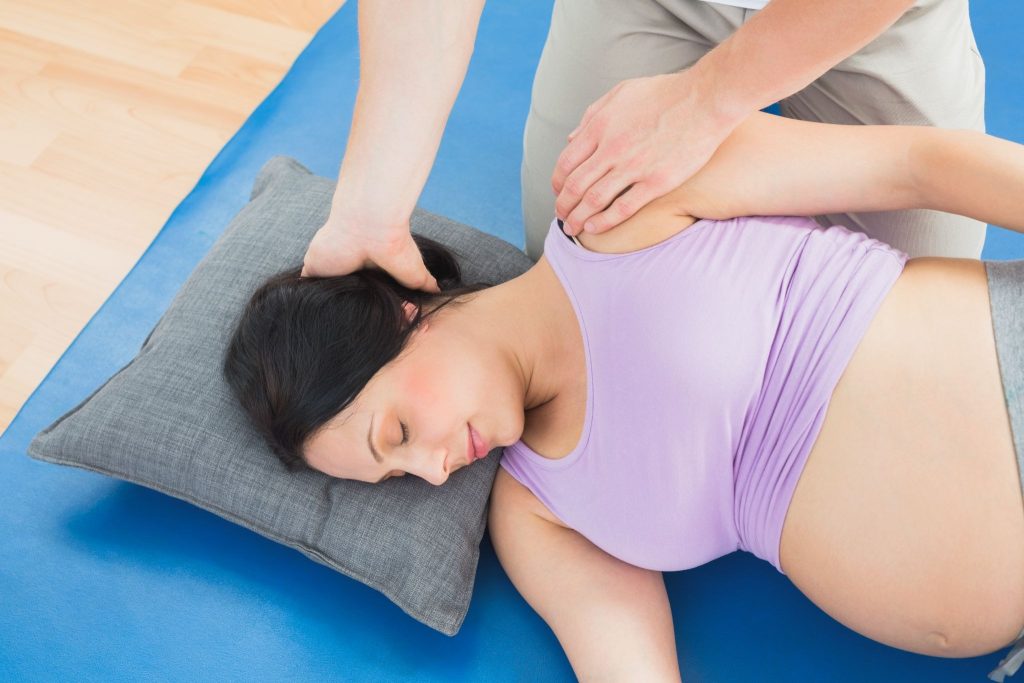
Pregnancy and postpartum recovery may feel easier to navigate when treatment is personalized, and healthcare providers communicate clearly.
Chiropractic care may support mothers experiencing musculoskeletal discomfort, limited mobility, and physical strain related to pregnancy or caring for a baby. Prenatal and postpartum medical providers should continue to monitor the health of the mother and child.
Active Health and Wellness Center offers chiropractic care, exercise rehabilitation, therapeutic stretching, in-office rehabilitation exercises, and home therapy regimens in South Bend. Treatment recommendations are based on the patient’s health history, examination, goals, symptoms, and current stage of recovery.
This article is intended for general educational purposes. It does not provide medical advice or replace treatment from an OB-GYN, midwife, primary care provider, physical therapist, pelvic health professional, or emergency medical professional.
Schedule an appointment at 574-259-9355.