
Posture affects nearly every movement you make. It influences how your muscles fire, how your joints absorb stress, how efficiently you breathe, and even how alert you feel throughout the day. Many people think posture only matters when standing in front of a mirror, but alignment plays a critical role in long term musculoskeletal health.
Modern life challenges posture constantly. Long hours at desks, frequent device use, driving, and limited physical activity gradually reshape the body’s alignment. Over time, small shifts become habits. Those habits then influence muscle balance, joint wear, and overall comfort.
Improving posture is not about rigidly forcing yourself to sit straight. It is about restoring balance, strengthening supportive muscles, and creating daily routines that support healthy alignment.
Understanding Neutral Spine Alignment
The spine has natural curves in the neck, mid back, and lower back. These curves help distribute force and allow efficient movement. A neutral spine means these curves are maintained without excessive rounding or arching.
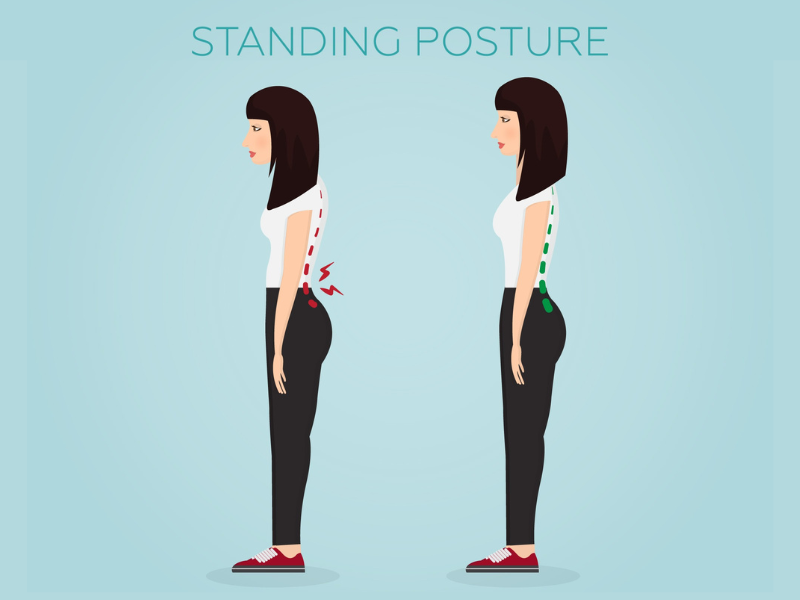
When standing in neutral alignment:
- The ears align over the shoulders
- The shoulders align over the hips
- The hips align over the ankles
- The chin remains level
- The abdomen is gently engaged
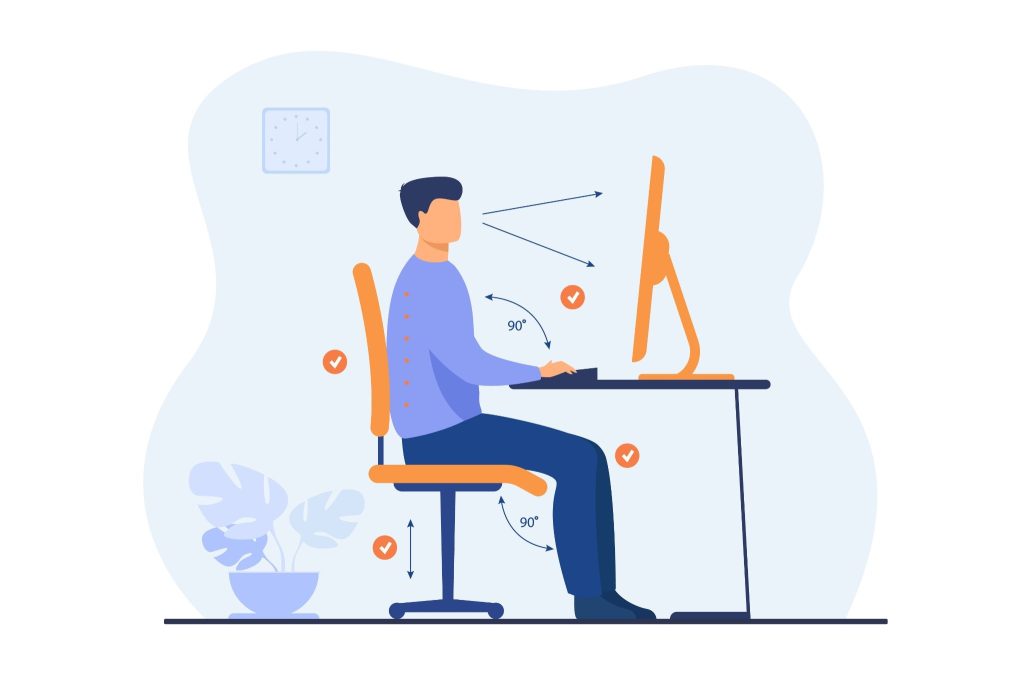
When sitting, neutral alignment includes keeping the feet flat on the floor, maintaining support in the lower back, and positioning the screen at eye level.
According to the National Institute of Arthritis and Musculoskeletal and Skin Diseases, back pain is one of the most common medical complaints in adults, and poor body mechanics can contribute to that strain.
Source: https://www.niams.nih.gov/health-topics/back-pain
Supporting neutral alignment reduces unnecessary stress on muscles and joints.
How Sedentary Lifestyles Affect Posture
Sitting for extended periods shortens hip flexors and weakens gluteal muscles. Over time, this imbalance can tilt the pelvis forward and increase lower back strain.
In addition, prolonged sitting encourages forward head posture. The shoulders round forward and the upper back becomes more curved. Muscles in the chest tighten while upper back muscles weaken.
This combination creates chronic tension patterns. Addressing these imbalances requires both strengthening and mobility work.
Forward Head Posture and Cervical Stress
Forward head posture is common in individuals who frequently look down at phones or lean toward screens. The human head weighs about ten to twelve pounds. When it shifts forward, the load on the cervical spine increases dramatically.
This increased load can contribute to:
- Neck stiffness
- Reduced range of motion
- Headaches
- Shoulder tension
- Upper back discomfort
Correcting forward head posture involves raising devices to eye level, performing chin retraction exercises, and strengthening deep neck flexor muscles.
Rounded Shoulders and Muscle Imbalance
Rounded shoulders result from tight chest muscles and weak upper back muscles. Over time, this posture compresses the front of the shoulder joint and overstretches muscles between the shoulder blades.
Strengthening exercises such as rows, resistance band pull aparts, and scapular squeezes can restore muscular balance. Stretching the chest and front shoulder muscles improves flexibility and reduces forward pull.
Lower Back Pain and Pelvic Tilt
The pelvis plays a major role in posture. When hip flexors are tight and abdominal muscles are weak, the pelvis tilts forward. This increases pressure on the lower back.
On the other hand, excessive flattening of the lower back can also create strain. Maintaining balanced pelvic alignment requires strengthening the core and glute muscles while stretching tight hip flexors.
Exercises such as glute bridges, planks, and hip flexor stretches support healthier lower back mechanics.

Core Stability and Postural Endurance
Core strength is essential for maintaining posture throughout the day. Without adequate core support, the spine relies heavily on passive structures like ligaments.
Core training does not need to involve complex movements. Controlled exercises such as:
- Planks
- Side planks
- Dead bugs
- Bird dogs
help activate deep stabilizing muscles that protect the spine.
Postural endurance improves when these muscles can maintain gentle activation during daily activities.
Workplace Ergonomics and Desk Setup
A well designed workstation significantly influences posture. Key considerations include:
- Monitor at eye level
- Keyboard positioned to allow relaxed shoulders
- Chair height adjusted so feet rest flat
- Lower back supported
- Wrists neutral while typing
Standing desks can be helpful when used correctly. Alternating between sitting and standing reduces repetitive stress.
Frequent posture resets throughout the workday are essential. Even a brief stretch or short walk can relieve accumulated tension.
The Impact of Mobile Devices
Mobile devices often encourage downward head positioning. Holding a phone near chest level places strain on the cervical spine.
To reduce stress:
- Raise the device closer to eye level
- Take breaks every 20 to 30 minutes
- Perform neck mobility exercises
- Strengthen upper back muscles
Small behavioral changes prevent long-term strain patterns.
Posture and Breathing Mechanics
Slouching compresses the rib cage and limits diaphragm expansion. This shallow breathing pattern can reduce oxygen intake and increase muscle tension.
Sitting upright allows the diaphragm to move fully. Practicing deep breathing while maintaining neutral posture strengthens both respiratory and postural muscles.
Improved breathing also enhances circulation and energy levels.
Standing Posture Awareness
Standing posture requires equal weight distribution between both feet. Locking the knees or shifting weight to one side creates an imbalance.
To improve standing posture:
- Keep knees slightly relaxed
- Engage abdominal muscles gently
- Roll shoulders back
- Keep chin parallel to the floor
Wearing supportive footwear also contributes to better alignment.
Posture During Exercise and Daily Movement
Exercise reinforces movement patterns. Poor form during workouts can strengthen imbalances.
Maintaining neutral spine alignment during lifting protects joints and encourages balanced muscle development. Functional movements such as squats and lunges should emphasize proper alignment from head to hips.
Being mindful of posture while walking, lifting groceries, or carrying bags also supports spinal health.
Sleep Position and Overnight Recovery
Sleep allows muscles and joints to recover. However, poor sleeping posture can aggravate discomfort.
Side sleeping with a pillow between the knees supports hip alignment. Back sleeping with a pillow under the knees reduces lower back strain.
A supportive mattress and properly sized pillow help maintain neutral alignment overnight.
Posture in Children and Adolescents
Children are developing movement patterns that may carry into adulthood. Heavy backpacks, prolonged screen time, and limited outdoor activity can influence posture early.
Encouraging active play, limiting backpack weight, and teaching upright sitting habits protect spinal development.
Children should carry backpacks using both shoulder straps and avoid exceeding recommended weight limits.
Postural Habits and Confidence
Posture influences not only physical health but also confidence and presence. Upright posture can improve self-perception and body awareness.
Standing tall and maintaining eye-level contact often increases feelings of alertness and readiness.
Developing posture awareness throughout the day builds healthier long-term habits.
Chiropractic Evaluation and Postural Assessment
A chiropractic assessment can identify joint restrictions and muscular imbalances contributing to poor posture. Gentle adjustments may improve spinal mobility and restore alignment.
When combined with exercise and lifestyle modifications, chiropractic care can support posture improvement goals.
Addressing alignment early may prevent chronic strain patterns from developing.
Long-Term Musculoskeletal Health
Good posture reduces cumulative stress on spinal structures. Over years, this can decrease the likelihood of chronic discomfort and mobility limitations.
Benefits of maintaining good posture include:
- Improved balance
- Reduced joint stress
- Enhanced breathing
- Better movement efficiency
- Lower risk of repetitive strain
Posture improvement requires consistent attention, but small daily corrections produce meaningful long-term results.