
A strong core is the foundation of a healthy, functional body. Whether you’re sitting at a desk, lifting groceries, or exercising, your core muscles play a crucial role in stability, balance, and injury prevention. At Active Health & Wellness Center, we often see patients dealing with back pain, poor posture, and limited mobility. All of which can be improved with proper core strengthening.
In this guide, we’ll walk through why core strength matters, how it impacts your overall health, and effective exercises you can incorporate into your routine safely.
Table of Contents
Why Core Strength Matters for Everyday Movement
Your core is more than just your abdominal muscles. It includes your lower back, hips, pelvis, and even parts of your diaphragm. These muscles work together to stabilize your spine and support nearly every movement you make.
A weak core can lead to:
- Poor posture
- Lower back pain
- Increased risk of injury
- Reduced balance and coordination
According to the Centers for Disease Control and Prevention (CDC), regular physical activity (including strengthening exercises) helps reduce the risk of chronic conditions and supports overall musculoskeletal health.
When your core is strong, everyday activities become easier and safer. You’ll notice improved posture, less discomfort, and better performance in both daily life and exercise.
Core Stability vs. Core Strength: What’s the Difference?
Many people focus only on building visible abdominal muscles, but true core health involves both strength and stability.
- Core Strength refers to the ability of your muscles to generate force.
- Core Stability refers to your ability to control movement and maintain proper alignment.
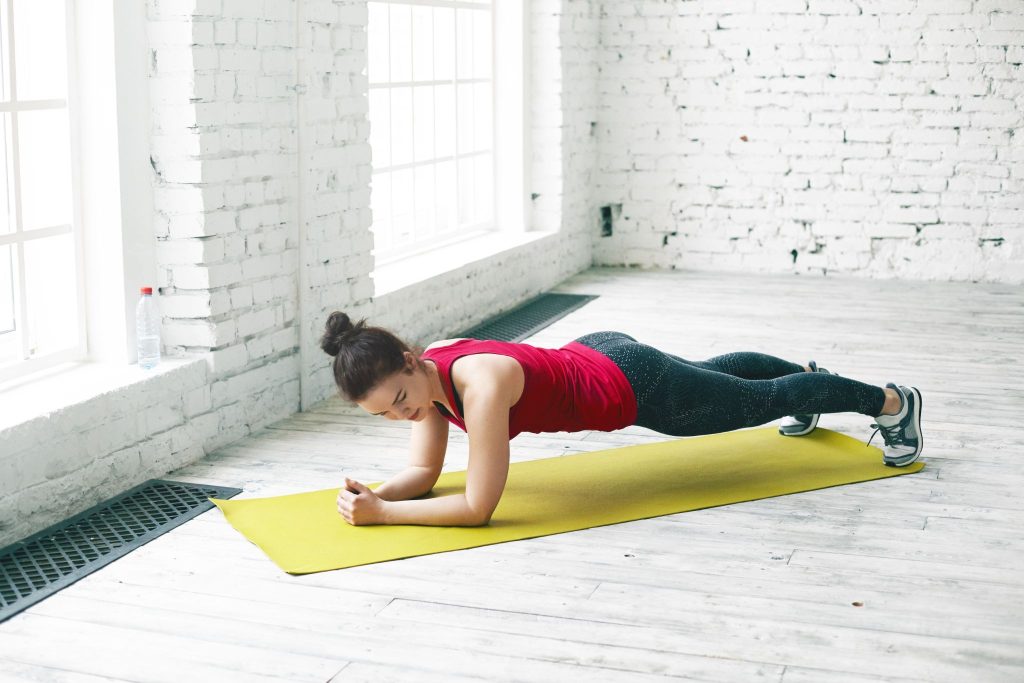
For example, doing crunches may build strength, but exercises like planks improve stability, which is essential for protecting your spine and preventing injuries.
A well-rounded core program should include both elements to support long-term health.
Common Signs of a Weak Core
You may not realize your core needs attention until symptoms start affecting your daily life. Here are a few common signs:
- Frequent lower back discomfort
- Slouching or poor posture
- Difficulty balancing on one leg
- Fatigue when standing or sitting for long periods
- Tight hip flexors or hamstrings
If you’re experiencing any of these, incorporating targeted core exercises can make a significant difference.
Safe Core Exercises for Beginners
Starting with simple, controlled movements is key, especially if you’re dealing with pain or limited mobility. Here are a few foundational exercises we often recommend:
Pelvic Tilts
This gentle movement helps activate your deep core muscles.
How to do it:
- Lie on your back with knees bent.
- Flatten your lower back against the floor by tightening your abdominal muscles.
- Hold for 5 seconds, then release.
Dead Bugs
Great for coordination and stability.
How to do it:
- Lie on your back with arms and legs raised.
- Slowly lower one arm and the opposite leg.
- Return to center and switch sides.
Bird Dogs
This exercise improves balance and spinal stability.
How to do it:
- Start on hands and knees.
- Extend one arm and the opposite leg.
- Keep your back neutral and hold briefly before switching.
Intermediate Core Exercises for Strength Building
Once you’ve built a foundation, you can progress to more challenging exercises.
Planks
Planks are one of the most effective core stability exercises.
- Keep your body in a straight line
- Engage your abs and glutes
- Avoid letting your hips sag
Side Planks
Targets the obliques and improves lateral stability.
- Stack your feet or place one in front of the other
- Keep your body aligned from head to toe
Glute Bridges
Strengthens the posterior chain, which supports your core.
- Lift your hips while squeezing your glutes
- Avoid arching your lower back
Advanced Core Movements for Functional Strength
For those ready to take it further, advanced exercises mimic real-life movements and improve overall performance.
Russian Twists
Improves rotational strength.
Hanging Leg Raises
Targets lower abdominal muscles.
Stability Ball Rollouts
Challenges both strength and control.
Always ensure proper form and consult with a professional if you’re unsure about technique, especially if you have a history of injury.
How Core Strength Supports Back Pain Relief
One of the most common reasons patients seek care is back pain. A weak core often contributes to this issue by placing extra stress on the spine.
Strengthening your core:
- Reduces pressure on the lower back
- Improves posture
- Enhances spinal alignment
- Prevents future injuries
At Active Health & Wellness Center, our chiropractors and physical therapists focus on addressing the root cause of pain, not just the symptoms. Core strengthening is often a key part of personalized treatment plans.
The Role of Posture in Core Health
Your posture and core strength are closely connected. Poor posture weakens your core over time, while a strong core naturally supports better alignment.
Tips for improving posture:
- Sit with feet flat on the ground
- Keep shoulders relaxed and back
- Avoid prolonged slouching
- Take breaks from sitting every 30–60 minutes
Strengthening your core makes it easier to maintain these habits throughout the day.
Incorporating Core Work Into Your Routine
Consistency is more important than intensity when it comes to core training.
Start with:
- 2–3 sessions per week
- 10–15 minutes per session
- A mix of stability and strength exercises
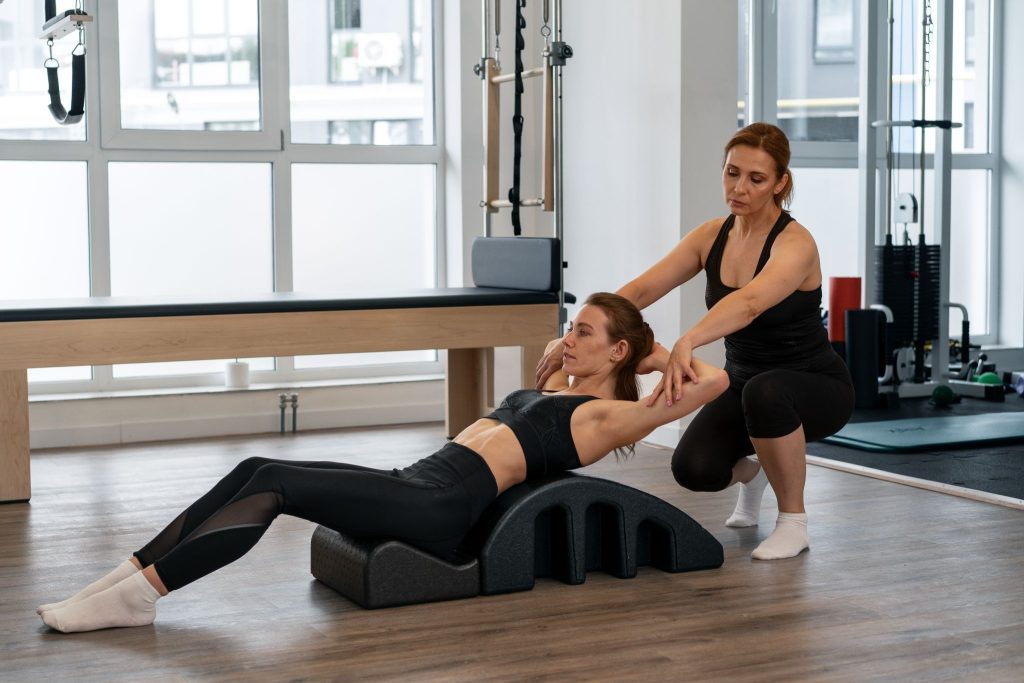
As your endurance improves, you can increase duration and difficulty. Pairing core exercises with guidance from a professional ensures you’re progressing safely and effectively.
When to Seek Professional Guidance
If you’re experiencing chronic pain, recovering from an injury, or unsure where to start, working with a chiropractor or physical therapist can help.
At Active Health & Wellness Center, we:
- Assess movement patterns
- Identify muscle imbalances
- Create personalized exercise plans
- Provide hands-on care to support recovery
This approach ensures you’re not just exercising, but doing the right exercises for your body.
Supporting Your Core Beyond Exercise
Core health isn’t just about workouts. Daily habits also play a major role.
Consider:
- Staying active throughout the day
- Maintaining a healthy weight
- Practicing proper lifting techniques
- Managing stress, which can affect muscle tension
While we don’t provide nutritional counseling, we do emphasize overall wellness strategies that support your body’s natural function.
Trusted Resource for Further Reading
For more information on physical activity and strengthening exercises, visit:
https://www.cdc.gov/physicalactivity/basics/index.htm
Strengthening your core is one of the most effective ways to improve your overall health, prevent injuries, and enhance daily movement. Whether you’re just starting out or looking to refine your routine, the right approach can make all the difference.
Schedule an appointment at 574-259-9355.
ActiveHealthCenter.com