
Knee pain is one of the most common musculoskeletal complaints, affecting people of all ages and activity levels. Whether caused by injury, overuse, arthritis, or muscular imbalances, knee pain can limit mobility and reduce your quality of life. The good news is that chiropractic care, combined with targeted stretches and exercises, can offer lasting relief and help you regain strength and flexibility in the joint.
Common Causes of Knee Pain
Knee pain can develop for a variety of reasons. Some of the most common include:
- Overuse or repetitive strain from sports, work, or daily activities
- Osteoarthritis, especially in older adults
- Tendonitis or bursitis, often linked to inflammation
- Muscle imbalances or misalignment in the hips, ankles, or spine
- Injuries such as ligament sprains, meniscus tears, or fractures
Poor posture, sedentary habits, and lack of stretching can also lead to stress in the lower body that eventually manifests as knee discomfort. Pain may range from mild irritation to debilitating stiffness and swelling.
Understanding the underlying cause of your knee pain is essential for choosing the right treatment path. Getting the proper diagnosis can help avoid unnecessary procedures or ineffective treatments.
How Chiropractic Care Addresses Knee Pain
Chiropractic treatment takes a whole-body approach to knee pain. Chiropractors focus not only on the knee itself but also on how other parts of the body may be contributing to the issue. This includes evaluating spinal alignment, hip mobility, gait patterns, and even foot posture.
Chiropractic adjustments can be applied to the knee joint directly or to the surrounding joints, such as the hips and lower back, to improve overall function. When the body is properly aligned, it moves more efficiently. This reduces strain on the knees, which are often affected when other joints are not working optimally.
Additionally, chiropractors work to reduce inflammation and improve circulation in and around the affected joint. Better blood flow encourages healing and supports tissue regeneration. Chiropractic care can also improve proprioception, or your body’s ability to sense joint position, which plays a key role in coordination and stability.

Manual Adjustments for Knee Joint Alignment
If your knee pain is related to joint misalignment, manual adjustments can help restore proper movement and function. Chiropractors use gentle, controlled force to realign the joint, reduce pressure on surrounding tissues, and improve stability. This can be especially effective in reducing chronic pain associated with poor biomechanics.
Joint misalignment can result from old injuries, poor posture, or repetitive motions. Over time, the body may compensate in unhealthy ways, placing uneven pressure on the knee. Manual adjustments help reverse this pattern and support balanced movement.
Patients often notice immediate improvements in joint motion and comfort after adjustments. However, long-term success often involves combining adjustments with supportive therapies and home exercises to maintain the benefits.
Myofascial Release and Soft Tissue Therapy
Many patients with knee pain also experience tightness in the quadriceps, hamstrings, calves, or iliotibial (IT) band. Soft tissue techniques, such as myofascial release, can help relax these muscles, increase blood flow, and reduce tension that contributes to joint stress.
These therapies are often used alongside adjustments to enhance overall mobility and recovery. By releasing muscle knots and fascial restrictions, soft tissue work promotes better joint mechanics and a greater range of motion. Patients often report feeling looser and more mobile after sessions that combine these approaches.
Instrument-assisted soft tissue mobilization (IASTM) tools may also be used by chiropractors to treat specific areas of tightness and scar tissue. These tools allow for deeper penetration into soft tissues, which can help speed up recovery from chronic tightness and inflammation.
Correcting Muscle Imbalances Through Targeted Exercises
Muscle imbalances are a major contributor to knee dysfunction. Weak glutes, tight hip flexors, or underactive hamstrings can all affect how your knee moves and bears weight. Chiropractors often prescribe specific strengthening and stretching exercises to correct these imbalances.
Targeted exercises help stabilize the knee by reinforcing the muscles that surround and support it. For example, strengthening the gluteus medius can improve lateral hip stability, reducing inward knee collapse. Addressing these issues upstream from the knee itself helps create lasting improvement.
Exercises might include:
- Glute bridges
- Clamshells
- Step-ups
- Single-leg balances
- Wall sits
These exercises help build control and endurance in the muscles that support your knees. They are often introduced gradually, with increased resistance or complexity as progress is made. Consistency is key to seeing results and preventing future injuries.
Stretches to Improve Knee Mobility and Reduce Pain
In addition to chiropractic adjustments, stretching plays a crucial role in managing and preventing knee pain. Some effective stretches include:
- Quadriceps stretch: Helps lengthen the front thigh muscles that can pull on the kneecap
- Hamstring stretch: Eases tension in the back of the thigh and supports hip-knee alignment
- Calf stretch: Supports better ankle mobility, which affects the knee
- IT band stretch: Reduces lateral tension that can pull the knee out of alignment
Each stretch should be held for 20 to 30 seconds and repeated 2 to 3 times per leg. Consistency is key. Over time, increased flexibility can lead to better knee mechanics and reduced discomfort.
Stretching also supports recovery by increasing circulation and reducing post-exercise soreness. A stretching routine can be part of a broader wellness plan that includes strength work, mobility drills, and rest.
Benefits of Combining Chiropractic Care with At-Home Movement
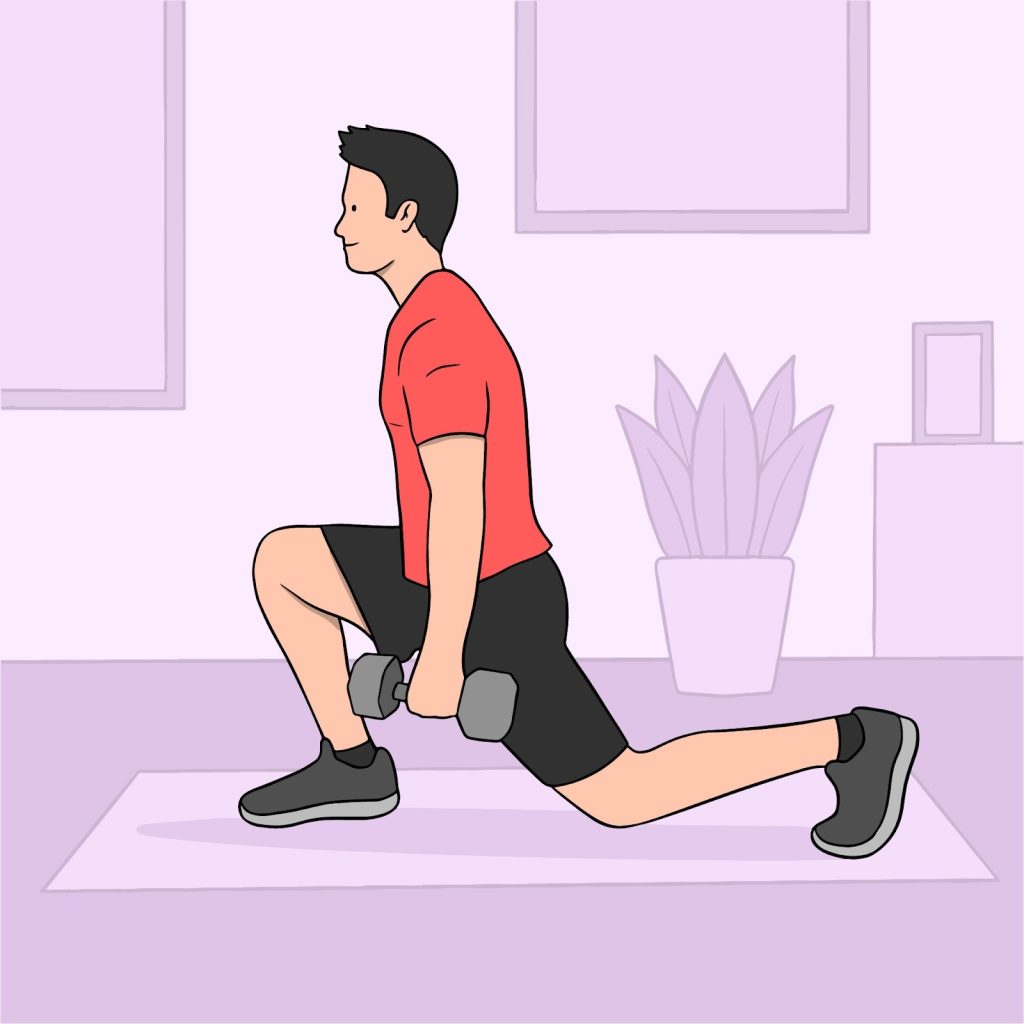
One of the most effective ways to manage knee pain is through a combination of in-office chiropractic care and at-home stretches and exercises. Chiropractic treatments help correct alignment and reduce inflammation, while consistent stretching and strengthening keep the improvements going between visits.
Patients who follow their treatment plans closely often see faster and longer-lasting results. This integrative approach also helps prevent future issues by addressing root causes rather than only treating symptoms.
In addition, chiropractors may provide lifestyle and ergonomic recommendations to minimize daily strain on the knees. Tips for sitting posture, proper footwear, and movement breaks can all make a difference in long-term outcomes.
Simple changes such as standing workstations, supportive shoes, or learning how to lift and bend properly can take pressure off the knees and promote better movement throughout the day.
When to Seek Professional Help for Knee Pain
If your knee pain lasts more than a few days, limits your ability to move, or is accompanied by swelling, clicking, or locking, it’s time to seek professional help. Ignoring persistent pain can lead to compensation patterns and worsen the issue over time.
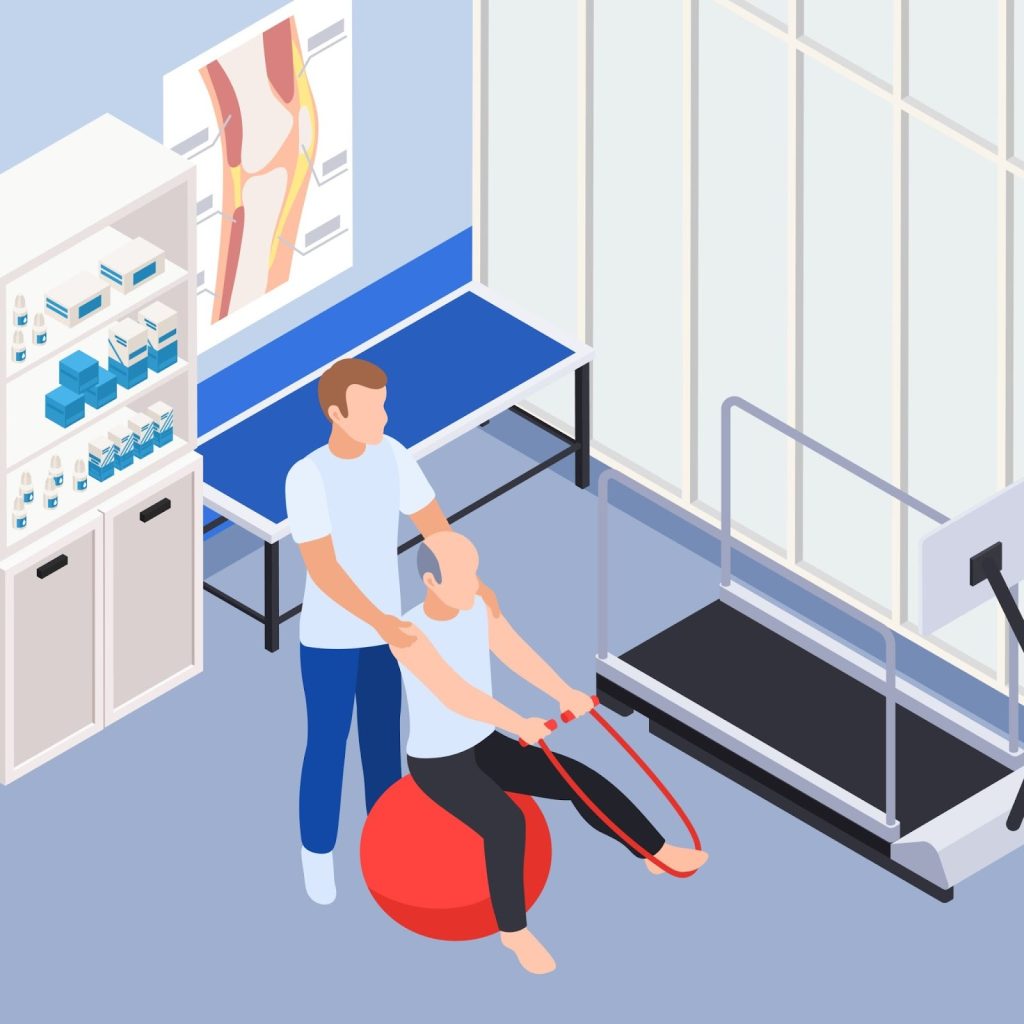
A licensed chiropractor can perform a full evaluation, identify the root cause of your pain, and design a personalized treatment plan tailored to your body’s needs. They may also coordinate care with other providers, such as physical therapists or orthopedic specialists, when needed.
It’s important to act early. Many people wait until pain becomes severe, but early intervention can lead to faster healing and fewer long-term issues. Chiropractic care offers a proactive, conservative option that emphasizes your body’s natural ability to heal.
Supporting Research and Resources
Studies support the role of manual therapy and exercise in treating knee conditions. According to the National Institutes of Health (NIH), non-surgical approaches like physical therapy and manual techniques can be effective in managing osteoarthritis and improving function.
For more evidence-based information, visit the NIH’s page on osteoarthritis here:
https://www.niams.nih.gov/health-topics/osteoarthritis